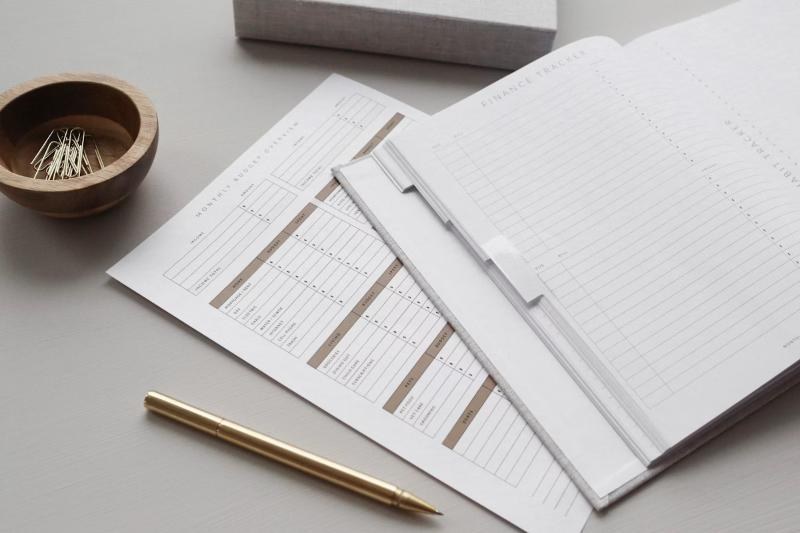
Many people feel they earn a reasonable income yet still wonder where their money went at the end of the month. Small purchases, automatic subscriptions and irregular bills can quietly add up. A simple monthly money plan brings clarity. Rather than a strict budget that feels like a punishment, a spending plan is a tool that puts you in control and makes sure your money supports your priorities.
Start by gathering the numbers. Look at your bank and credit card statements for the past two or three months and list your take-home income along with every expense. Sorting expenses into categories such as housing, utilities, groceries, transportation, insurance, debt payments, entertainment and savings will quickly show you where most of your money is going.
Separate needs, wants and goals
Once your spending is organized, divide it into three groups. Needs are the essentials, such as housing, food, basic transportation, insurance and minimum debt payments. Wants include dining out, streaming services, hobbies and travel. Goals are the things you are working toward, such as an emergency fund, paying off debt early, saving for a home or investing for retirement.
Many people find a simple guideline helpful, such as directing roughly half of take-home pay to needs, a smaller share to wants and a meaningful portion to savings and debt repayment. These percentages are a starting point rather than a rule. Your plan should reflect your income, your local cost of living and the goals that matter most to your household.
A money plan is not about saying no to everything. It is about saying yes to what matters most.
Make the plan easy to follow
Automation is one of the most effective ways to stick with a plan. Set up automatic transfers to savings on payday, schedule automatic bill payments to avoid late fees and consider separate accounts for specific goals. When saving happens first and automatically, you are far less likely to spend money you meant to set aside.
Review your subscriptions and recurring charges at least twice a year and cancel those you no longer use. Shop around for insurance, phone and internet plans, and plan ahead for irregular expenses like car maintenance, holidays and annual fees by setting aside a small amount each month. These simple habits can free up money without major lifestyle changes.
Finally, check in with your plan regularly. A short monthly review lets you compare what you planned with what actually happened and make adjustments. Life changes, such as a new job, a move or a growing family, are good times to revisit your priorities. Over time, your plan becomes a habit that gives you confidence and peace of mind.
The advisors at Money Control Path help families across Western North Carolina build practical spending plans that fit real life. Contact us for a free money planning consultation.